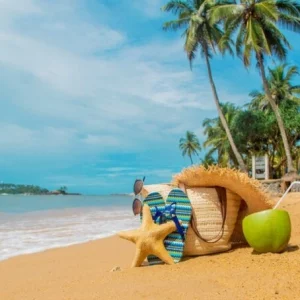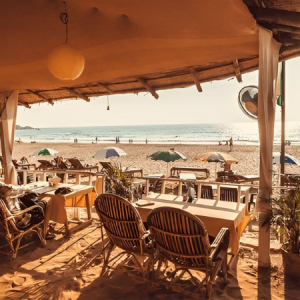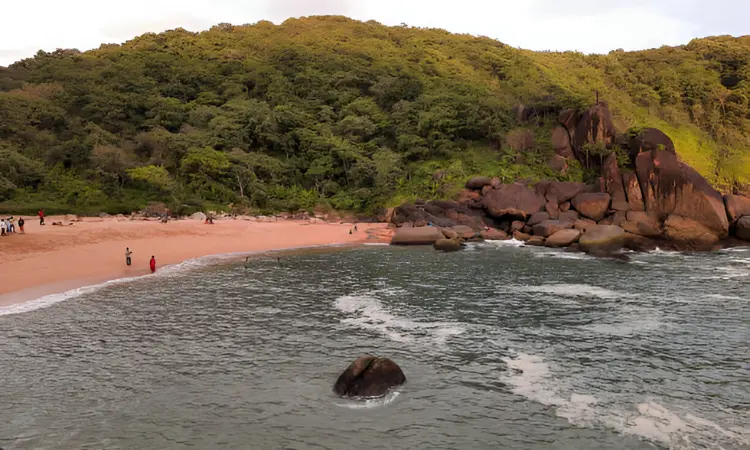
Are you a nature lover looking for more places to relax, other than the beaches of Goa? If you wish to experience verdant beauty amidst nature, decide to visit the most impressive islands in Goa. Explore a sun-kissed island that not only soothes your eyes but also gives you a chance to reset your mind for a new start.
Experience next-level peace beyond the coastlines, mangroves and untouched beauty, creating more meaningful experiences for everyone. Whether you are looking for peaceful relaxation or you are a thrill seeker want to enjoy water activities, visit the most beautiful islands that you have never seen before.
If you are ready for the vacation, here is the exclusive guide about the islands in Goa for nature lovers. So, without any further ado, begin to get into it!
Why Every Traveller Must Visit the Islands In Goa?
Goa’s beauty is not limited to its stunning beaches, but also serenity comes from the beautiful islands away from crowds. Divar, Chorao, São Jacinto are some of the best names of islands offering scenic river views, lush mangroves and much more.
Here are some of the reasons why you should visit the islands of Goa:
- Cultural and Historical Exploration: Visit islands like Divar to view historic Portuguese churches, charming, colourful houses, and remains of ancient Hindu sites like the most popular Saptakoteshwar temple.
- Offbeat Nature & Wildlife: Discover the Salim Ali Bird Sanctuary on Chorao Island, which is home to a variety of mangrove ecosystems and exotic species. It is a must-go-to spot that keep your close to nature.
- Discover Local Life: Experience traditional Goan culture and regional agriculture in some of the rural areas that are unaffected by human behaviour. Such places are very rare to find, so don’t miss out on exploring the local life.
- Adventure and Activities: Take part in exhilarating activities like snorkelling, scuba diving, and banana boat excursions, especially in Grand Island, to make your visit super exciting.
- Beautiful Ferry Rides: Be prepared for a picturesque ferry journey across the Mandovi River, which offers breathtaking views of the coast, and is required to reach islands like Divar or Chorao.
Top Islands To Visit In Goa
Decided on your visit? That’s great! Here is the exclusive list of top islands to visit in Goa.
Grande Island
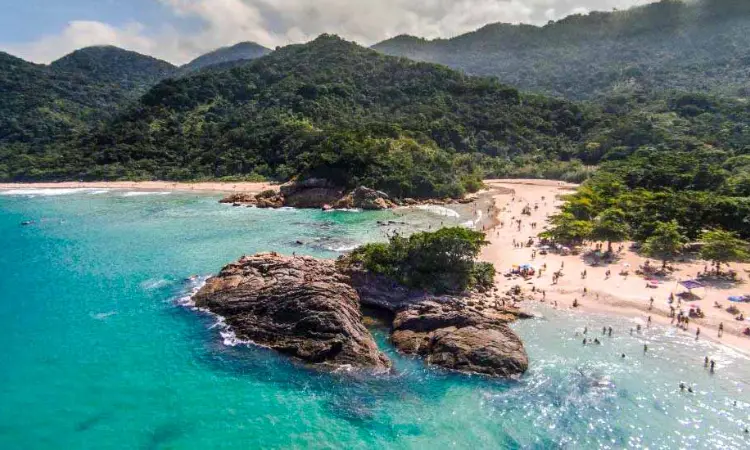
One of Goa’s most incredible islands is The Grande Island, commonly referred to as the Ilha Grande. The island is home to palm trees, stunning views of marine life, and breathtaking sunsets. However, the island is ideal for couples seeking a less crowded and offbeat destination for their visit. In addition, sightseeing, swimming, snorkelling, taking a sea walk, and many more aquatic activities are available. One of the most spectacular things to do in South Goa is scuba diving, which provides you with an unbelievable picture of the underwater marine kingdom.
- Location: Situated in the Arabian Sea, southwest of Vasco da Gama and Panjim in South Goa.
- How to reach: Travellers can reach via boats that depart from Baina beach and other nearby regions.
- Things to do: Scuba diving, dolphin spotting, fishing, and relaxation
- Best for: Adventure enthusiasts, group travellers and solo travellers
Chorao Island
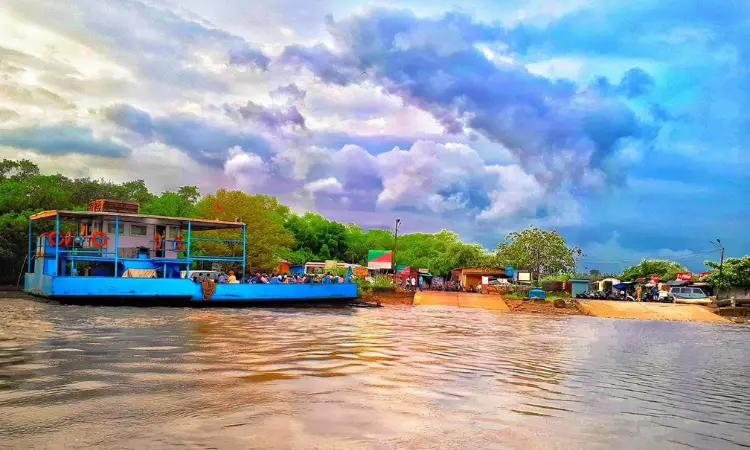
Chorão Island is home to the renowned Dr Salim Ali Bird Sanctuary. A trip to this marvellous wonder may be the ultimate pleasure for anyone who loves nature. Don’t you agree? You can even see the deadly crocodiles here, and it draws over 500 different types of stunning migratory birds. Furthermore, Portuguese churches, Hindu temples, and colonial houses can be found throughout the area of the island. Also, there are a few low-key restaurants and eateries that serve simple Goan cuisine.
- Location: Mandovi River, within the Tiswadi taluka of North Goa
- How to reach: Take a ferry from Ribander, North Goa
- Things to do: Birdwatching, nature walks, and photography.
- Best for: Birdwatchers, eco-tourists, photographers
Divar Island
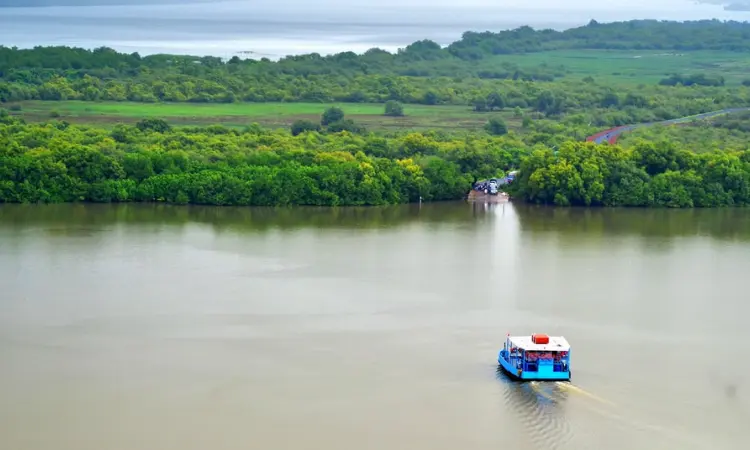
The remnants of the Kadamba dynasty may be found on this stunning Divar island in Goa, which is situated on the Mandovi River and provides a glimpse into Goa’s rich past. There are a number of lovely villas here that are perfect for spending the night. The Bonderam festival, a well-known celebration held here, offers you an opportunity to discover a different side of Goa. For those who want to participate in adventure activities in Goa, like scuba diving and snorkelling, this island is ideal for them. All these experiences make it one of the most popular islands in Goa. So, when are you visiting?
- Location: Mandovi River, between Old Goa and Chorao
- How to reach: Get a free government ferry from Old Goa
- Things to do: Cycling, nature walks, heritage exploration
- Best for: Solo travellers, nature lovers, cultural enthusiasts and cyclists.
Conco Island
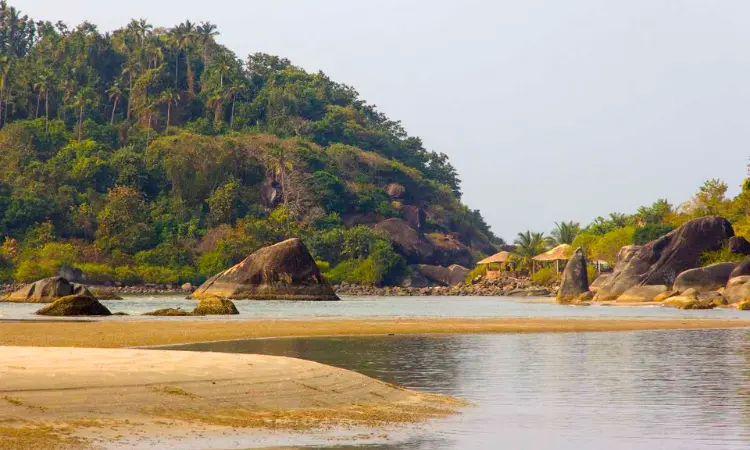
Conco Island, often called Monkey Island, is one of the most popular islands in South Goa, close to Agonda Beach. It is situated in the bay of Palolem, which is a 5-acre verdant island. Also known as Canacona Island, it was formerly home to monkeys from neighbouring forests. When visiting Agonda Beach, this island is a nice place to have a picnic. Although it is easy to swim to this island during low tide, visitors frequently take ferries to get there. Furthermore, the Arabian Sea is surrounded by Conco Island, so if you are fortunate enough, dolphins can be seen there.
- Location: Situated just off the coast of Palolem Beach in Canacona, South Goa.
- How to reach: Easily accessible on foot from Palolem beach. Also, boat trips are a reliable method from the beach.
- Things to do: Spotting Monkeys, kayaking, nature walking, sightseeing and photography
- Best for: Nature lovers, hikers, photographers and relaxing vacationers.
Pequeno Island
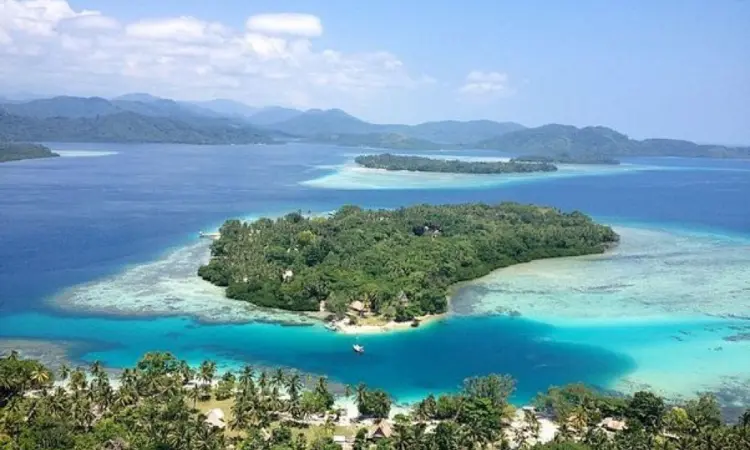
Bat Island, also known as The Pequeno Island, is a great spot for adventurers as it features a small beach and a small expanse of greenery about a kilometre from Vasco-da-Gama’s Baina Beach. Here, one can go out for snorkelling or just relax and take pleasure in the scenery’s attractions. Bat Island is well-known for its snorkelling, an ideal spot for snorkelers. Moreover, one can also take a day off at Pequeno or Bat Island because there are several ways to enjoy your trip. Sounds exciting, then why the delay?
- Location: Situated off the coast of Vasco da Gama in South Goa and close to Mormugao Port
- How to reach: Take a boat ride from Baina Beach. Or else find operators for full-fledged packages, including transportation.
- Things to do: Snorkelling, scuba diving, dolphin spotting, camping and island exploration
- Best for: Adventure seekers, snorkelers, and nature lovers.
Vanxim Island
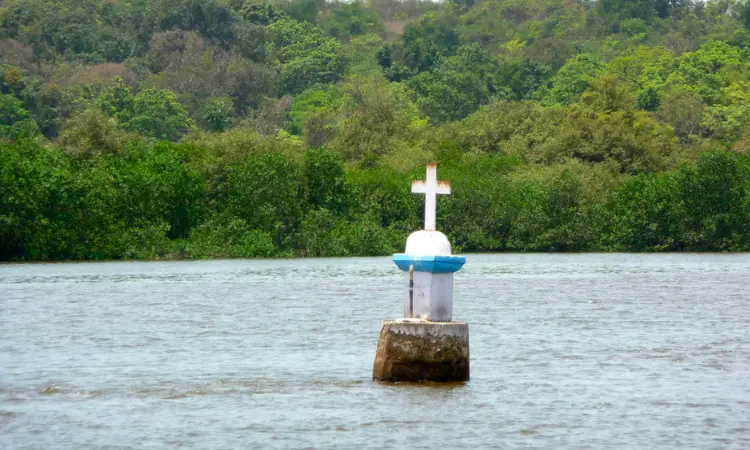
Vanxim Island is located in the Tiswadi taluka, one of the unique Goa islands, referred to as a fishermen’s paradise. Get the chance to explore Portuguese architecture and verdant green surroundings, which can be found on this island. There are many things to see here, including stunning cemeteries and churches. Furthermore, it is a little island with lovely mangroves on one side. Additionally, the Church of Santo Cristo is located here. And the most interesting part about the island is that it is a true natural wonder and a place of purity to breathe in the freshness.
- Location: Nestled along the Mandovi River near Divar and Chorao island in the Tiswadi Taluka of North Goa.
- How to reach: Drive to the Ribandar or Old Goa via ferry, which will take you to Divar Island. From here, easily take a small ferry to Vanxim
- Things to do: Visit the Church of Santo Cristo, go on nature walks, cycle, birdwatching, and photography.
- Best for: Nature lovers, solo travellers and couples.
Raneache Zuem
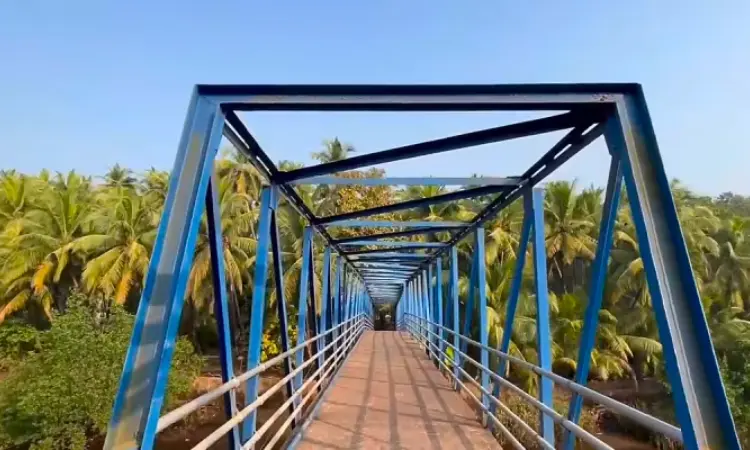
Have you heard the well-known song “Love You Zindagi” by Dear Zindagi was filmed on this island close to Goa? Sounds exciting, right? This island is a charming sanctuary for tourists seeking much-needed comfort. It is only 1.5 km long and 0.5 km wide, and it is situated on the Chapora River. Additionally, there is also a haunted home that appears to be scary. Also, this small island is connected to the mainland by a bridge. Travellers will find the mangroves and coconut trees on the island, which look breathtakingly beautiful.
- Location: North Goa, near the village of Revora (Bardez Taluka)
- How to reach: Rent a bike or hire a taxi to reach the island from Mapusa, only 20 to 30 minutes away.
- Things to do: Nature walks, photography, exploring the surroundings, and relaxing.
- Best for: Nature lovers, couples, photographers and solo travellers
Butterfly Island
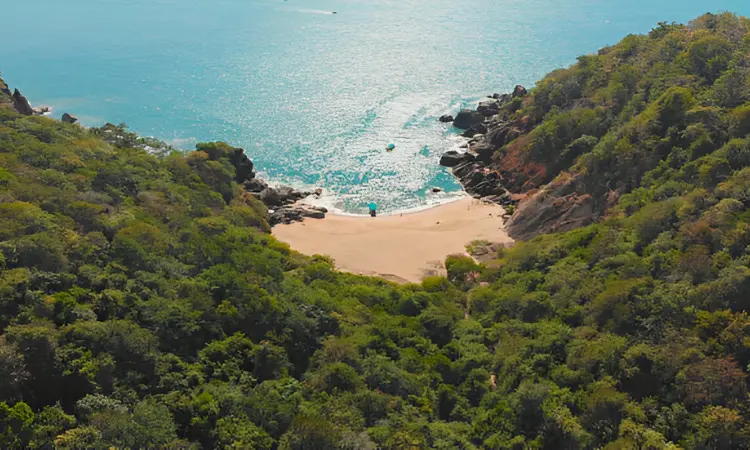
Butterfly Beach is located in the Cancona district of Goa, just South of Palolem. It is often referred to as Butterfly Island. This beach, also called Honeymoon Beach, is shaped like a little cove and is encircled by a lot of trees. Butterfly Beach, one of Goa’s hidden beaches, is easily reachable by boat (ferry) from neighbouring beaches. Furthermore, you can also enjoy several activities such as dolphin spotting, kayaking and sunset viewing. Lastly, you shouldn’t skip visiting the island as it is one of the Instagrammable photography places in Goa, offering a chance to capture a next-level moment.
- Location: Near Butterfly Beach, South Goa
- How to reach: Hire a private boat from Agonda or Palolem Beach
- Things to do: Enjoy activities like snorkelling, swimming, and experience quiet beach sitting.
- Best for: Solo travellers, thrill seekers, and honeymooners
Cumbarjua Island
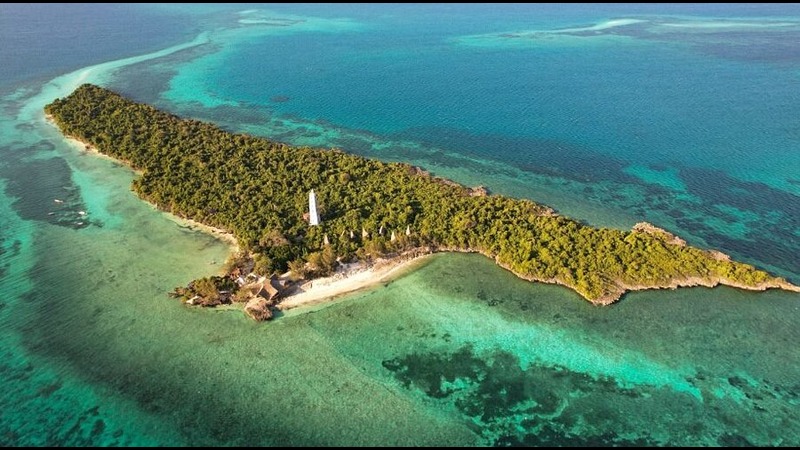
Cumbarjua Island is well known for being a crocodile habitat and is situated on the bank of the Mandovi River. Here, you will encounter a thriving population of Mugger Crocodiles, so don’t forget to bring a DSLR camera. Interestingly, in the 15th century, it was the Portuguese king’s favourite fort, but it is now an offbeat travel destination. Visitors can go fishing in the backwaters, as the area is quite new and unexplored. What’s more? This island also offers the vistas of mangroves and wildlife, ideal for both thrilling and educational types of travellers.
- Location: Along the Cumbarjua Canal, connecting the Mandovi and Zuari rivers.
- How to reach: By boat from St. Estevam jetty or other nearby villages.
- Things to do: Crocodile safari, birdwatching, kayaking and local life exploration
- Best for: Nature lovers and adventure explorers
São Jacinto Island
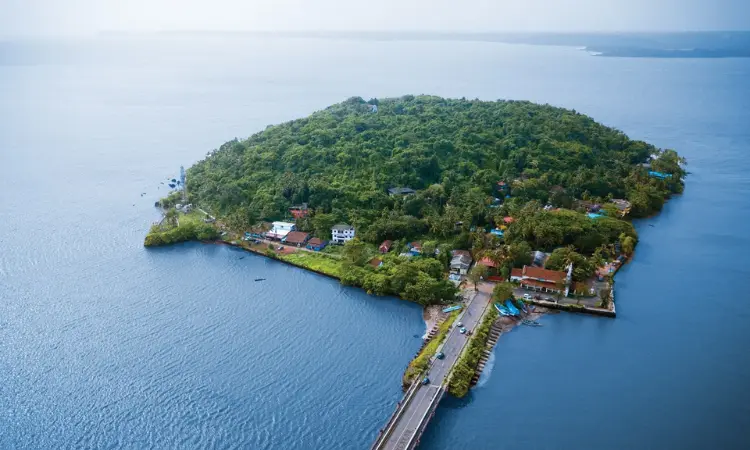
The São Jacinto island is located in the South region of Goa. Talking about the beautiful views of the island is what attracts visitors, surrounded by a soothing atmosphere. Discover the stunning church and an abundance of ancient houses along its southwest coast. Additionally, there is an ancient Portuguese lighthouse here that offers stunning views of the Indian Ocean and the Goan coast. Locals still get their drinking water from an ancient spring located in the centre of the island.
- Location: Mormugao Bay, South Goa
- How to reach: Accessible via local boat. Drive towards Dabolim, which connects the island.
- Things to do: Lighthouse visit, kayaking, fishing, hiking and photography
- Best for: History lovers, nature seekers and vacationers.
Best Time to Visit Goa’s Islands
Overall trip experience depends on the best time of the year, and every traveller must be aware of it. To make your planning easier, we have mentioned the best time to make your visit to the Goa island tourism.
- October to March (Winter) – It is the most ideal time of the year to visit the entire island as the weather remains pleasant with clear waters and impressive birdlife exploration, ideal for all types of travellers.
- June to September (Monsoon) – Monsoon is the time when the island turns into magical, lush greenery, but there is limited boat access due to heavy rainfall and rough seas. And it is strictly advised to avoid visiting the Goa hidden gems during heavy rainfall.
- April to May (Summer) – During this time, the temperature remains hot and humid with fewer crowds, making it ideal for budget travellers. Make your visit during early morning to explore the true beauty of the unexplored islands in Goa.
Pro Tips For Travellers While Going Out for Island Exploration In Goa
Here are some of the tips when planning a trip to Goa to explore the most beautiful islands, so consider them for unforgettable experiences. Have a look at the Goa offbeat destinations to make your visit worthwhile
- Verify Permissions & Licenses: The tourism department has previously notified the zones in the case of wildlife islands, such as Cumbarjua. However, boat operators should have permits, safety gear, and NOCs to ensure safety.
- Weather and Sea: The best months to visit the island in the coastal paradise are October to May. However, the majority of eco tourism in Goa is suspended during the monsoon season, which runs from June to September, due to heavy rain and rough seas.
- Tour Schedule: There are time restrictions on the majority of the islands; due to Navy regulations, tours must return early in the afternoon. Check all the timings and then make your visit accordingly.
- Local Transportation: Plan your journey to the island, specifically from places like Panaji or Vasco, which offer most of the jetties’ services. Keep in mind that the roads might not always be in great condition, so setting out early is a smart move to arrive on time.
- Essential Facilities: Most of the islands offer limited or no accommodations, dining, or shopping. If you are going out, be sure to bring the basics such as water, snacks, sunscreen, and a first aid kit.
- Respect Local Life and Ecology: There are countless little communities on many islands; continue to behave cleanly before or after leaving the region. Mangroves and bird sanctuaries are delicate ecosystems; don’t try to destroy them.
In A Nutshell
That’s all in today’s guide!
It is obvious to get excited about the stunning islands in Goa, which are worth a visit. These marvellous wonders offer breathtaking beauty, rich biodiversity and a serene atmosphere to spend quality time with your loved ones. Get the chance to explore scenic islands full of mangroves, exotic wildlife and Goan villages.
Ensure your accommodation prior to your visit for peace of mind. Do you have any specific requirements? Without thinking too much, choose Prive By White Flower, a luxury resort in North Goa, providing personalised services with all possible amenities to make your vacation worthwhile.
So, what’s taking so long? Plan out a wonderful trip to Goa and have the chance to explore the beauty of such islands surrounded by charming nature!
FAQs
What is the difference between DeFi and traditional finance?
To manage and move money, traditional finance relies on banks, brokers, and institutions. Whereas DeFi removes those intermediaries, and by using smart contracts on a blockchain, they execute financial transactions automatically. The result is a system that is faster, cheaper, and open to anyone with an internet connection, but without the consumer protections that regulated institutions provide.
Is DeFi safe to use?
DeFi risks are real. Smart contract vulnerabilities, market volatility, and the absence of consumer protection mean users are fully responsible for their funds. Therefore, it is also said that established and independently audited protocols like Aave and Uniswap have strong security track records. It is advisable to start with small amounts, using audited platforms, and never depositing more than you can afford to lose.
Can DeFi replace traditional banks?
Not completely, and at this moment, there are no chances. Mortgages, large institutional loans, and pension management are likely to remain in traditional finance for years. What DeFi is replacing right now is the layer of financial services that are slow, expensive, and geographically restricted. Currently, the more likely outcome is merging, not replacement.
Do I need a bank account to use DeFi?
No. That is one of DeFi’s most significant features. All you need is a crypto wallet and an internet connection. If you have this, then you’ll be able to lend, borrow, trade, and earn without ever interacting with a traditional bank, which is why DeFi is particularly relevant for the over one billion adults worldwide who remain unbanked.
How do I earn money with DeFi?
There are multiple ways to earn money with DeFi, but the three most common ways are lending your assets on protocols like Aave to earn interest, providing liquidity to decentralized exchanges to earn trading fees, and staking assets with validator nodes to earn staking rewards. Each of these methods carries a different risk and return profile. Starting with stablecoin lending is generally considered the most straightforward entry point.
What is the biggest risk of DeFi compared to a bank?
The absence of consumer protection. Bank deposits in most countries are secured. Credit card transactions can be reversed. However, if something goes wrong in DeFi, whether through a hack, an error, or a failed protocol, there is no regulator to appeal to and no recovery mechanism. This is the most important distinction between the two systems for everyday users to understand.